English

 work.digihub@gmail.com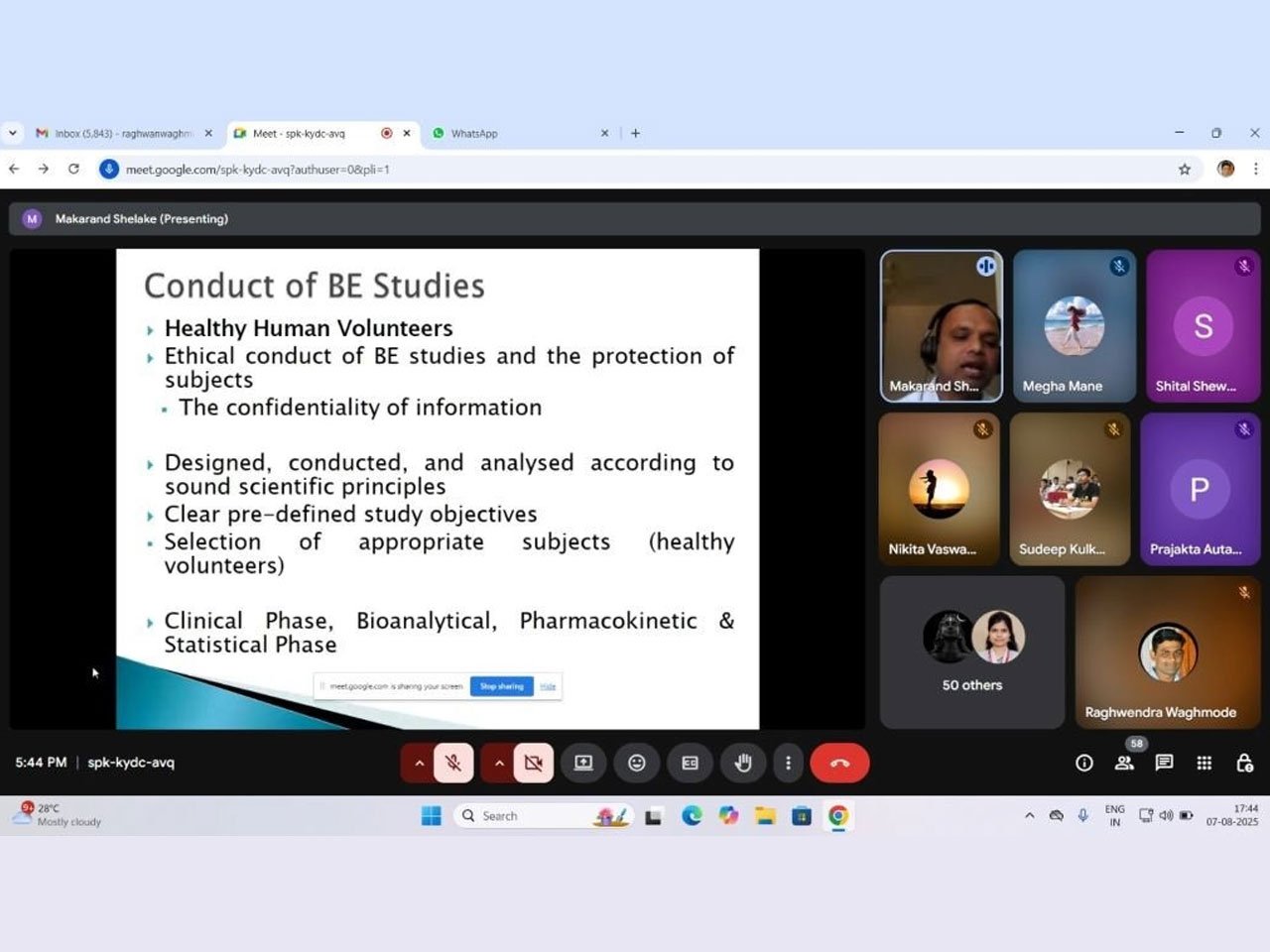
Activity: Industry Connect Guest Lecture Series
Session: 2
Speaker: Mr. Makarand Shelake
Topic: Bioavailability/Bioequivalence and Regulatory Requirements
Date: 07/08/2025
Time: 4:00 pm – 5:00 pm
Participants: 60 students
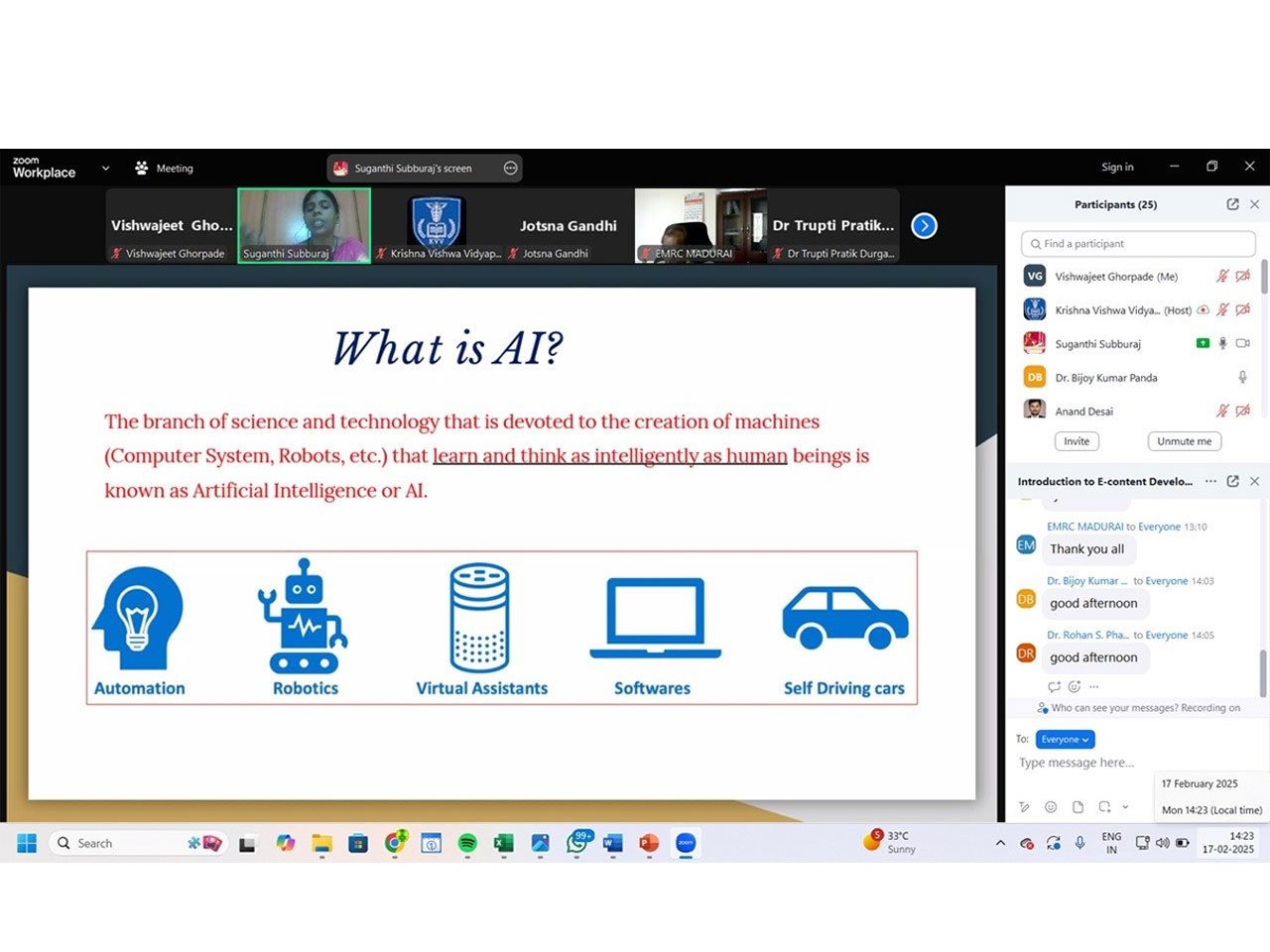
Krishna Institute of Pharmacy (KIP), Karad organized the second session of its Industry Connect Guest Lecture Series, featuring an insightful online lecture by Mr. Makarand Shelake on Bioavailability (BA)/Bioequivalence (BE) and Regulatory Requirements.
The session aimed to strengthen students’ understanding of the scientific principles, regulatory framework, and practical processes involved in BA/BE studies—key components in the development and approval of pharmaceutical products.
Mr. Shelake began by explaining the distinction between reference (innovator) drugs and generic drugs. He emphasized that innovator drugs are significantly costlier due to extensive research, clinical trials, and a development timeline of 12–15 years, often costing nearly USD 1 billion. Generic drugs, however, are 30–80% more affordable, as they do not undergo initial discovery or clinical development phases and are introduced only after patent expiry by demonstrating bioequivalence to the innovator product.
The speaker provided a detailed overview of the conduct of BA/BE studies, highlighting the importance of:
- Use of healthy human volunteers for ethical and scientific validity
- Ensuring participant safety and confidentiality
- Scientifically robust study design, conduct, and data analysis
- Clearly defined study objectives and careful volunteer selection
- Understanding the four major phases of BE studies:
- Clinical Phase
- Bioanalytical Phase
- Pharmacokinetic Phase
- Statistical Phase
The session offered valuable industrial and regulatory insights, helping students understand the critical role of BA/BE studies in ensuring the safety, efficacy, and quality of pharmaceutical products.