


Welcome To India's Leading Medical University

Contact Information

Follow Us

General Medicine

General Medicine

About the Department

The Department of General Medicine was established in 1982 and has since grown with escalating clinical work turnover. All teaching staff are highly qualified and experienced. The department is dedicated to providing comprehensive medical care while fostering high-quality education and training for undergraduate and postgraduate students.

Our Vision

Comprehensive Medical Care

To deliver the best in primary care and sub-specialty services to the community at large.

Competent Training

To train residents to effectively handle both common and complex diseases, including pandemics like COVID-19.

Quality Education

To develop competent Indian Medical Graduates (IMG) and Postgraduates through CBME.

National Contribution

To contribute to national healthcare delivery and implementation of health policies.

Innovative Learning

To adopt modern teaching methods and apply the latest treatment strategies in patient management.

Evidence-Based Practice

To emphasize Evidence-Based Medicine (EBM) and integrated approaches in teaching and patient care.

Ethics & Communication

To promote Attitude, Ethics, and Communication (AETCOM) values among UG and PG students.

Technology Integration

To ensure effective use of Information and Communication Technology (ICT) in education and clinical practice.

Research & Innovation

To encourage research and innovation for continuous growth in medical science.

Our Mission

Skilled and Compassionate Professionals

To prepare competent, ethical, and compassionate medical professionals capable of managing diverse healthcare challenges.

Lifelong Learning

To promote continuous learning through academic excellence, professional development, and human resource innovation.

Excellence in Medical Education

To develop outstanding undergraduates (MBBS) and postgraduates (MD General Medicine) who can meet national healthcare needs through innovative learning and advanced technology.

Our Objectives

Clinical Competence

Conduct comprehensive history and physical exams, and communicate patient information clearly.

Diagnostic Skills

To accurately interpret laboratory and diagnostic test results to guide patient management.

Patient-Centered Care

Develop and implement patient care plans based on medical and psychosocial assessments with consent.

Evidence-Based Practice

To develop a safe, cost-effective, and outcome-based approach to diagnosis and management.

Communication Skills

To strengthen communication and interpersonal relationships with patients, peers, and healthcare teams.

Ethical Practice

Apply medical ethics and legal aspects like consent, confidentiality, and professional conduct.

Research & Review

To regularly review patient outcomes, critically correlate with clinical findings, and actively promote research-based practice.

Holistic Approach

Identify and address the unique healthcare needs of special populations using an interdisciplinary approach.

Professional Development

To develop knowledge in practice management, time management, and quality improvement in clinical practice.

Nutritional & Preventive Medicine

To understand principles of nutrition, occupational health, and environmental medicine for disease prevention and wellness.

HOD & Professor

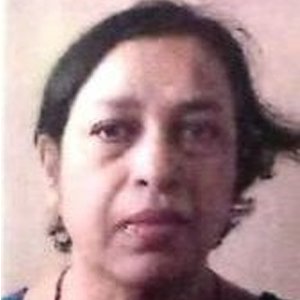
Dr. Swati Chandrashekhar Aundhakar

She is Professor & Head of the Department of General Medicine at Krishna Institute of Medical Sciences, Karad. She completed her MBBS in 1982 and MD (General Medicine) in 1987, with 31 years of UG and 22 years of PG teaching experience. She has led various academic and clinical initiatives, including collaborations with Johns Hopkins, Atlanta, and the U.S. Armed Forces at Walter Reed, Washington D.C. She also served with the Ministry of Health, Saudi Arabia, and chaired several conferences. A Ph.D. guide, examiner, and ethics committee member, she has 25 publications in reputed journals, attended numerous conferences, and received the Best Favourite Teacher Award. She is a member of IAP and KAP.

02164-241555/6/7

hodmedicine@kvv.edu.in

Excellence in Medical Education & Clinical Research

Important Infrastructure .

The Department of General Medicine is equipped with well-organized outpatient, inpatient, and teaching facilities, along with seminar rooms and demonstration areas. It houses all essential instruments and equipment required for undergraduate and postgraduate training, clinical practice, and research, ensuring excellence in medical education and patient care.

Name of the Item

Quantity

B.P. Apparatus (Digital or suitable alternative)

60

Ophthalmoscope

8

X-ray Viewing Box

12

Flexible Video End-viewing Oesophago-Gastroduodenoscope (optional)

1

Flexible Video Colonoscope (optional)

1

Flexible Video Side-viewing Gastroduodenoscope for ERCP (optional)

-

Proctoscope

10

Bedside Cardiac Monitors

44

Central Cardiac Monitor Console

-

Defibrillator

6

Non-invasive B.P. Apparatus

42

Pulse Oximeter

44

Equipment for Cardiac Pacing

2

Ambu Bag

13

Laryngoscope

16

ECG Machine

7

Echocardiography Machine

1+2

Hemodialysis Machine

6

Peritoneal Dialysis Catheters

-

Arterial Blood Gas Analyzer

1

Glucometer

9

Invasive Mechanical Ventilator

22

Non-invasive Mechanical Ventilator (shared with TB & CD)

22+5

Nebulizer

14

Multimedia Projector with Screen

2+1 (Lecture Hall)

Teaching Learning Methods .

Teaching & Learning Methods

- Interactive large group teaching

- Small group teaching

- CMEs, Seminars, Workshops, and Conferences

- Monthly video conferencing sessions with Johns Hopkins University, Baltimore (Global Grand Rounds in Infectious Diseases – GGRID)

- LGT, SGT, PBL, SDL, Narration, Reflective Learning, CBL, OMP, EBM, Integrated Teaching, Role Play

- Emphasis on collaborative research, ICMR projects, dissertations, log books, and Mini-CEX

Stay Connected with KVV –Get Updates, Alerts & Academic Opportunities!